Summer Makes Everyone Crazy
The heat hits, the rules go soft, and suddenly everyone’s making bad decisions.
The world peels open when it gets hot.
Cities love control—grids, walls, rules designed to keep everything neat, measured, at arm’s length. But summer doesn’t care. It melts the whole thing down.
A missed light. A lingering stare on the train. Your neighbor’s music bleeding through the walls at 2 a.m. During the winter, it’s easy to shrug it off. Everyone’s zipped into coats, tucked behind glass, wrapped inside fabric. The whole city was built for distance. It’s easy to disappear—easy to pretend the place isn’t packed full of strangers pressed right up against you.
But summer strips all that away. The walls feel thinner. The streets feel smaller. The space between people evaporates, and suddenly, everyone’s on edge. Short-tempered. Bare-skinned. Stupid.
You forget how thin the distance really was.
The whole city gets jumpy. It’s that kind of summer—everyone slick with sweat, a little restless, pacing around like they’re stuck in some bargain-bin version of Uncut Gems. Nobody making good choices. Everyone blaming the weather. Logic escapes us in the heat.
And it’s not just weather. The whole city’s built for cold—thick walls, sealed windows, routines designed to keep people at arm’s length. In summer, all of it falls apart. The buildings sweat. The sidewalks warp. The distance disappears. Patterns, tempers, rules—everything loosens.
You can blame the heat, but it’s more than that. The whole city overheats—the air thick enough to choke on, no space left to cool off. It’s not just sweat. It’s short fuses. Dumb decisions. The mistakes people usually zip under their puffer coats start leaking out.
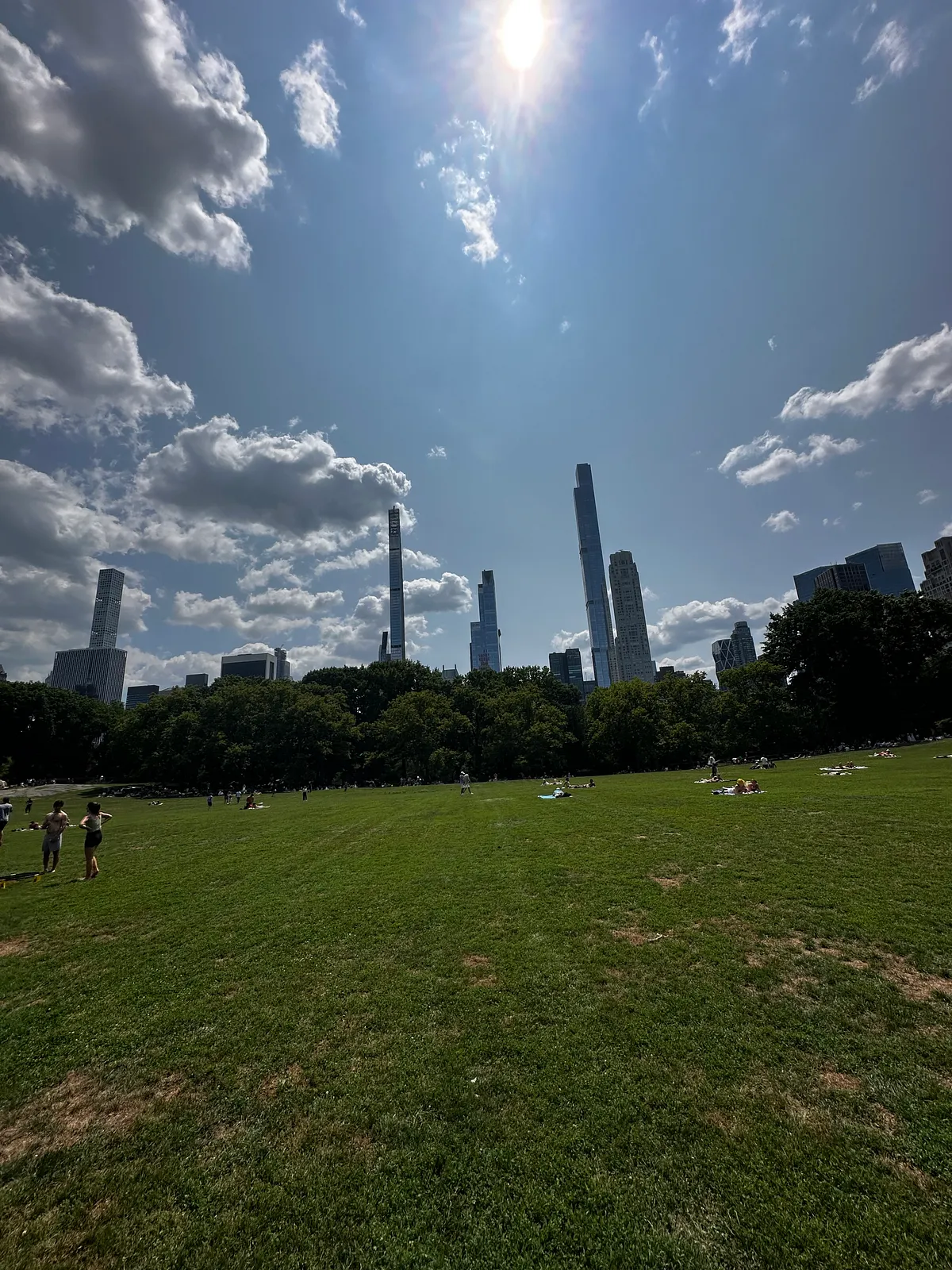
And summer doesn’t just peel the city open—it peels people open, too. What’s under the surface isn’t always pretty. You can feel it building—the tension, the sweat, the arguments waiting to happen.
So eventually, you leave.
You pile into someone’s car, throw your bags in the trunk, disagree about directions. It doesn’t matter where you’re going—Long Island, Rhode Island, Block Island, anywhere the ocean shows up at the end of the highway.
The car’s been baking in the sun all afternoon. The cushions burn your legs as you sit down. The seatbelt leaves a red mark across your stomach. The air inside smells like sweat, stale fries, and the faint chemical sweetness of sunscreen leaking from somewhere under the passenger seat.
You roll the windows down, but it doesn’t help. The whole road shimmers with it—heat rising off the asphalt, the sour-salt stink of low tide curling in from the bay. Even the grass along the highway looks raw, wilted, like the sun’s peeled the color right out of it.
Nobody talks much on the drive. You listen to the hum of the highway, the rattle of the cooler in the trunk, a song you friend promises is a banger. It’s too hot to fight, too hot to argue, too hot to do anything but sit in it.
Eventually, you pull off the highway. The air doesn’t feel any cooler, but at least the ocean’s close.
The beach isn’t glamorous. It never is in the northeast. The sand’s rocky, the towels are too small. Natty Light cans and Twisted Tea bottles litter the shore where teenagers were too careless to clean up.
But you lay there anyway—sun-drunk, the faint grease of fries and fried clams clinging to your clothes from the shack right across the street from the beach. You tell yourself this is what summer’s for. Lying still, letting it melt you down.
Pretending it’s enough—even when you know it won’t last.
Eventually, someone gets up and runs straight into the water. You follow. The heat’s been sitting on your skin for hours. The sand burns your feet. But the second you hit the water, it knocks the day off you—cool enough to make you gasp. Warm enough to stay in.
You float for a minute, eyes half-closed, the ocean holding you up. You can still smell the sunscreen on your arms, the faint sweetness of coconut lotion and sweat, the rot of seaweed drifting somewhere down the shore.
But even out there, nothing feels contained. The sound carries. Strangers drift too close. You’re always half aware of other people—bodies floating beside yours, watching, pretending not to.
Summer makes distance impossible.
Back in the city, the whole world feels swollen. The sidewalks never dry. The trash bags sag and split. Piss dries yellow in semi-circles on the corners. Windows cracked open everywhere—apartments peeled back, nothing between you and the street but a flimsy screen.
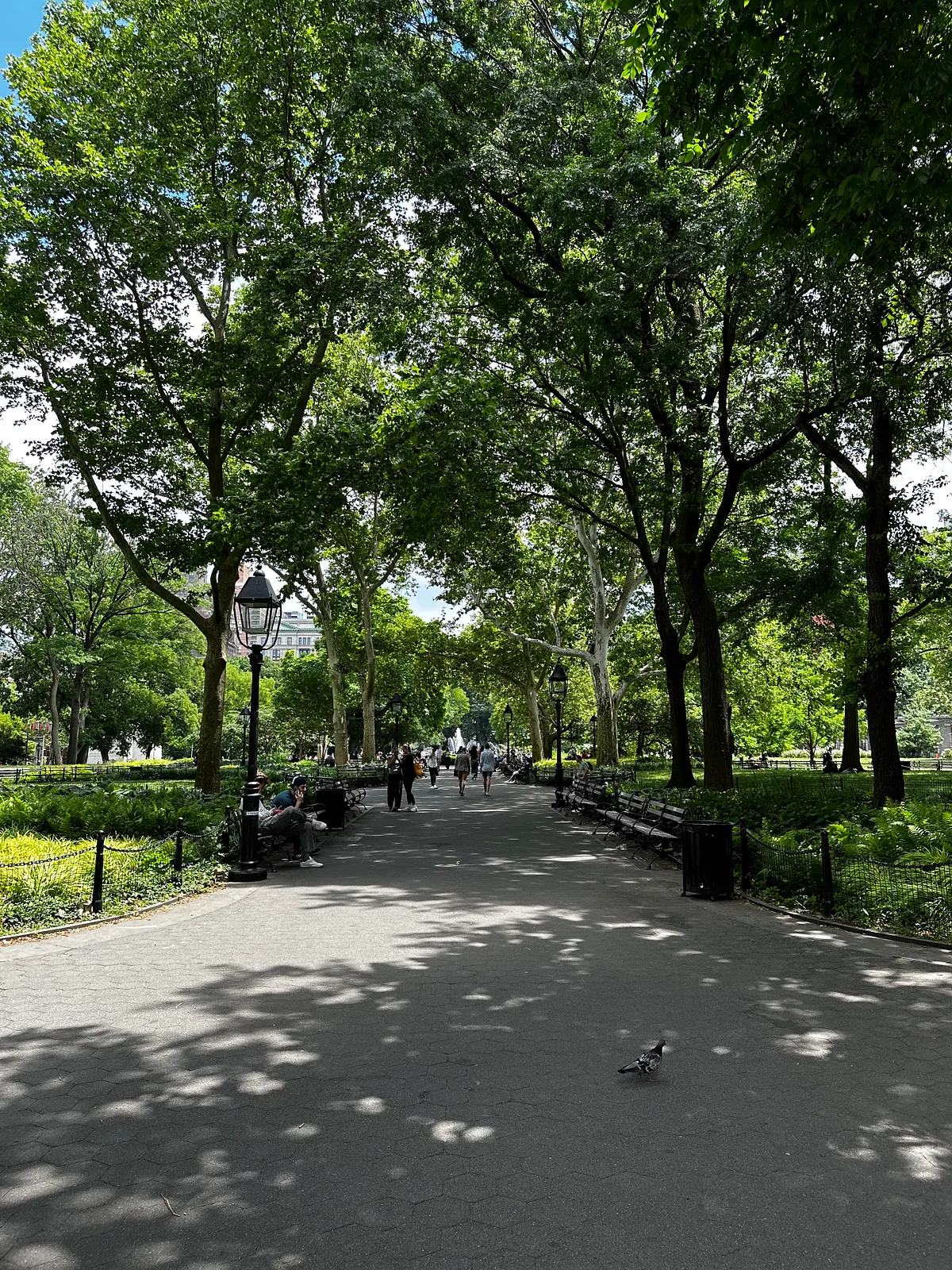
People lean out their windows like they’ve forgotten they’re supposed to stay inside. They smoke on fire escapes, argue on stoops, sit with their feet dangling over the curb, skin slick with heat, eyes half-lidded from it.
It’s no wonder cities lose their grip in the heat. This place was never built for softness—only for order. And order sweats right through its seams.
And when that grip slips, everything else follows. The sidewalks ooze. The walls start to hum with noise—music, arguments, sirens in the distance. You can feel it everywhere, the whole city pulling at its joints, like nobody remembers how to keep it connected.
The parks sprawl open too. The grass is already patchy by noon. Strangers stretch out on old blankets, legs tangled, beer cans sweating into the dirt. You watch people drift through the park—shirtless, barefoot, smoke curling from their mouths. You walk by groups of kids with their matcha lattes taking up the entire sidewalk to film a TikTok that barely anyone will see.
Someone always makes a bad decision in the heat. Sneaking off behind the trees. Hooking up with someone they shouldn’t. Words whispered too close. A fight outside the bodega. The kind of things that feel inevitable when the air won’t let up.
You forget that boundaries used to matter.
By September, the city folds itself back up. The windows close. The sidewalks harden. The fruit stalls pack up and disappear. Everyone tucks themselves away—neater, quieter, easier to ignore.
But for a little while, everything’s stripped open. The streets. The air. The space between people. You smell it everywhere—the grass, the bodies, the trash, the ocean, the sharp sweetness of fruit left too long in the sun.
You see it in the way people look at each other—eyes heavy, arms loose at their sides, standing too close at bars, leaning in on subway platforms like they forgot the city ever asked them to be cold.
You feel it everywhere—in the headlines, in the way strangers snap at each other, in the mistakes people blame on the heat but were waiting to happen all along.
Nobody hides from it. Not in July. Not when the heat peels everything back.
And maybe that’s the part of summer people chase—the collapse of distance. The mess. The little reminder that the whole structure—the walls, the rules, the cold-weather logic—was always weaker than it looked.
You know it doesn't last. You know most of it isn't real.
But it's July. The windows are open. The rules are gone.
And for now, that's enough.
Thoughts? Reply by email.