Hours That Don’t Rush
The strange fullness of ordinary days
Most mornings start slowly. I wake up, make coffee, and settle into the same small ritual—the quiet, the living room, the city outside already shaking itself awake.I read for a while, flipping through research for my thesis or the news, enough to stretch my brain before the day really starts.
If I feel up for it, I’ll go for a run. Some days I don’t. Some days the ritual is just the coffee, the relaxation, and the reading.
It’s a small pocket of time that feels still, even here. But the minute I step outside, the pace catches up. The sidewalks hum, the traffic builds, everyone’s already in motion. New York doesn’t ask if you’re ready—it just moves. And most of the time, I move with it.
Someone’s playing a Nina Simone cover on a busted speaker, but nobody looks up. We’re all in trance: transit, physically and otherwise.
I kind of like it. The momentum, the buzz. It makes you feel like you’re part of something—like the day’s already begun just by showing up. But some days, in the middle of all that motion, I catch myself wondering what it’s all in service of. What I’m actually rushing toward. Or maybe what I’m speeding past without realizing.
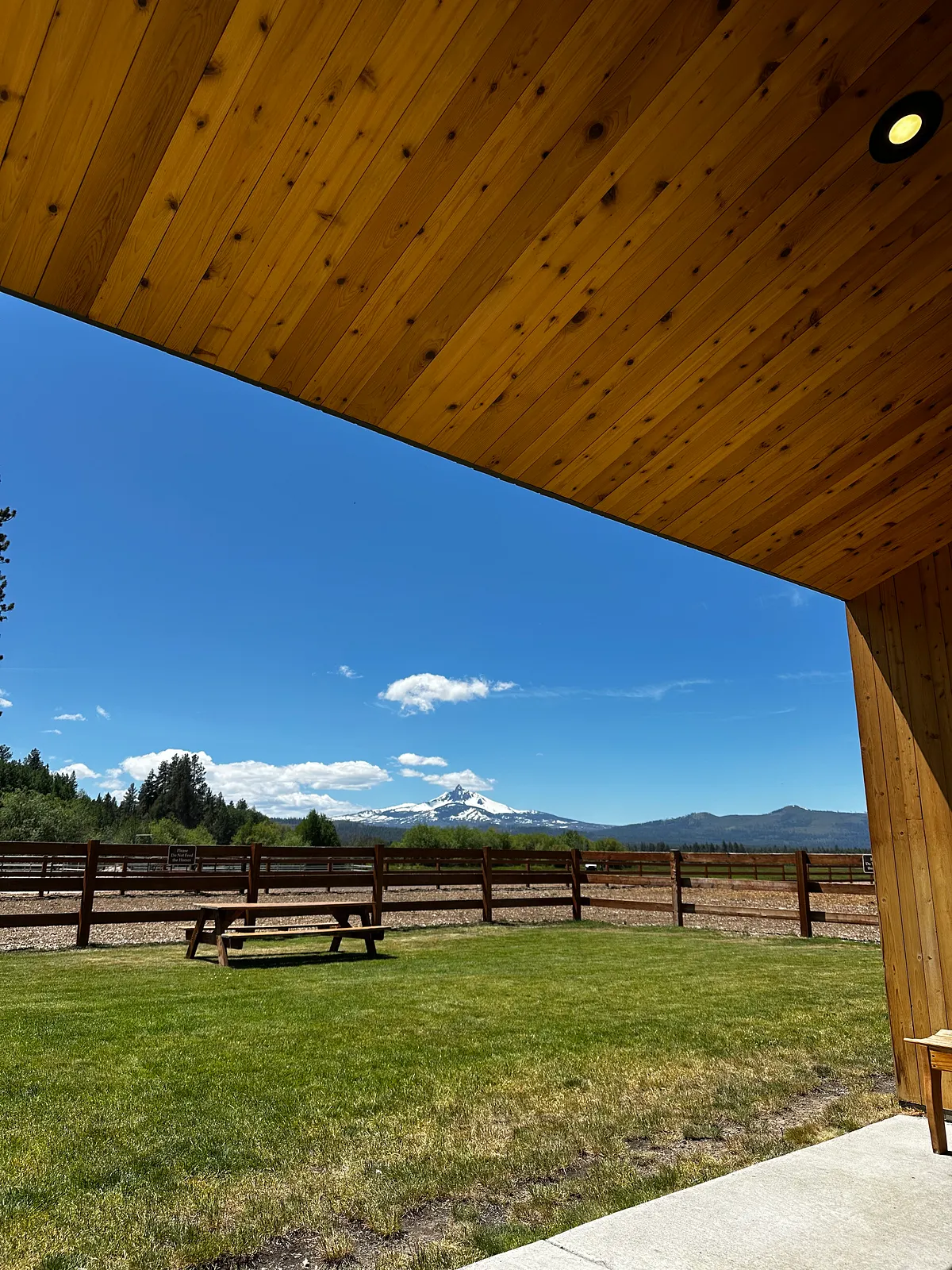
A few weeks ago, I flew out to Oregon and met up with three friends from school. We stayed at a ranch in the middle of nowhere, near a town called Sisters. It wasn’t off-grid—we still had cell service—but it felt like I’d stepped out of my usual current. Just four of us, surrounded by mountains and endless green.
It was stupidly beautiful. Wide fields, snow still clinging to the peaks in the distance, air so clear it made you pause. Even the trees looked calmer. At night, the sky opened up. The stars didn’t blink—they just were. Staring at you.
We tried to make an itinerary. Hikes to hit, spots to check out, maybe a schedule to keep us moving. But by the start of day two, it had already fallen apart. Turns out, you can’t really schedule slow time. It just shows up when it wants to.
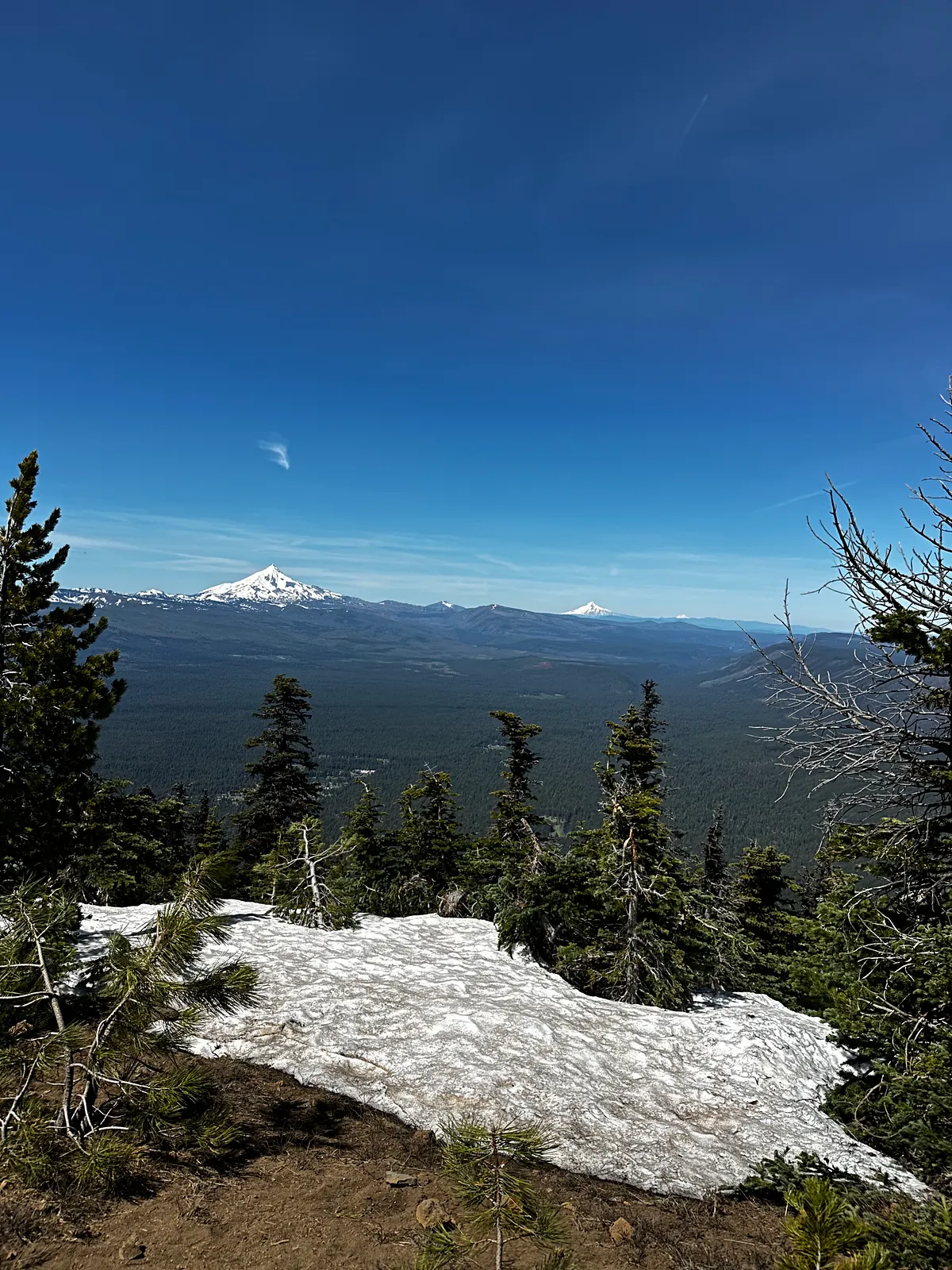
We hiked, cooked, sat around on the porch, talked when we felt like it, didn’t when we didn’t. Time slowed without stopping. The hours didn’t rush to mean something. They just moved, steadily, quietly.
Nothing remarkable happened, but it felt fuller than most days in the city. Like we were living in the part of the day that usually gets skipped over.
That feeling stuck with me—the way time stretched, how small, ordinary things carried more weight when we actually slowed down. We didn’t plan it that way. It just happened. And somehow, that made it feel even fuller.
It reminded me of this film I watched recently—Perfect Days (2023), by Wim Wenders. It follows a man in Tokyo who cleans public toilets for a living. That’s it. That’s the whole movie. He wakes up, waters his plants, listens to cassette tapes while driving to work. Cleans, eats lunch alone, reads a paperback, goes to bed. Day after day.
It shouldn’t work. Most movies would race to show you what’s next, what’s changing. But Wenders doesn’t. The whole thing lingers. It sits with the rhythm of an ordinary life—quiet, repetitive, small on the surface—and slowly, without you realizing it, it cracks something open.
I read that they shot it mostly on handheld cameras, with natural light, in real public spaces. No frills, no dramatic edits. The kind of filmmaking that feels invisible, but demands patience. And in that stillness, something happens. You start to notice things you'd usually blow past—the way the sun moves through a tree, the sound of a broom against tile, the quiet pride of someone who shows up for the small, unnoticed work.
Watching it reminded me of Oregon. How the days filled up—not because we packed them, but because we didn’t. No agenda, no urgency. Just four people living a little more slowly, a little more attentively.
We kept saying we should take more pictures. But by the end of the week, there were barely any. A handful of blurry ones from the porch. A few half-lit shots of us drinking, hanging around. The rest—the hikes, the long quiet hours, the way time drifted without rushing—never made it onto camera rolls. But those are the parts I keep coming back to.
There’s a moment toward the end of Perfect Days where Hirayama, the main character, is just driving through Tokyo, and Nina Simone’s “Feeling Good” comes on. Nothing happens. He just drives. But it gets you. Because by that point, you’ve been sitting in the quiet with him so long that when that tiny crack of emotion shows up, it hits harder than any big speech ever could.
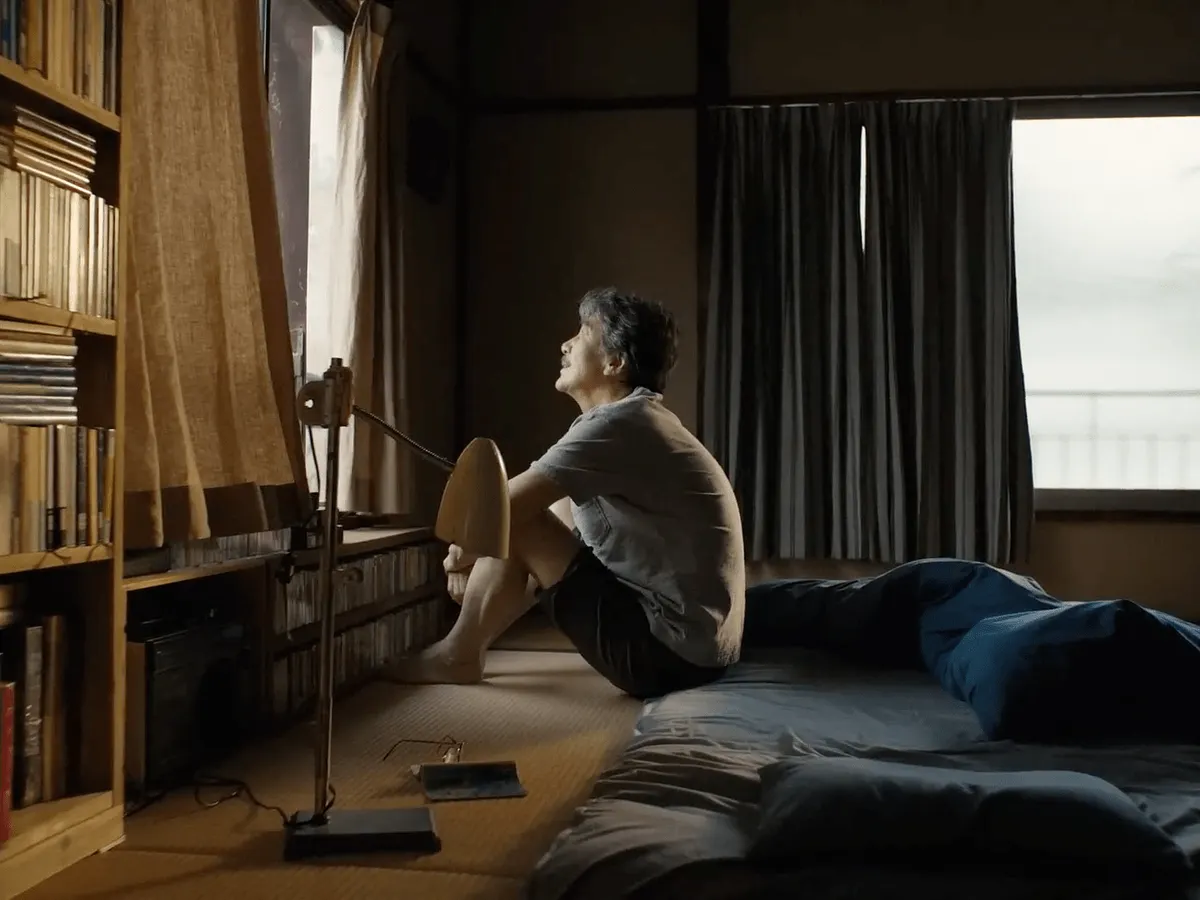
What Perfect Days shows—and what Oregon reminded me—is that slowness isn’t the absence of meaning. It’s what lets the meaning show up. But you have to be still long enough to notice it.
I get little pieces of that feeling on the weekends, when I take the train to Rhode Island to see my family. It’s not Oregon—there’s traffic, grocery runs, people with places to be—but the pace is different. It slows without asking for permission.
Most of the time, I’m just at my parents’ house. My dad, sitting on the porch with a book. My mom, out in the garden, pulling weeds, checking on the tomatoes. The same streets I’ve known for summers. It’s not dramatic, but it’s familiar. And lately, I’ve been paying more attention to how much happens in those small, quiet hours—the ones that don’t look like much but seem to stretch the longest.
We sit on the porch. We talk, or we don’t. Time moves, but it doesn’t rush past you. You get to stay with it for a while.
Then Monday comes, and I’m back on the train to the city. The same bleary faces, headphones in, coffees half-finished. I watch the neighborhoods blur past the window—the quiet stretches of Rhode Island giving way to Queens, then Manhattan.
By the time I’m underground again, the hum has already kicked back in. Phones buzzing. Footsteps quickening. You can almost hear the gears slotting back into place. The whole machine picking up speed.
I don’t mind it. The city runs fast, and most days I want to keep up. I like feeling busy, useful, part of the rhythm.
But somewhere between the garden and the subway turnstile, between the stretch of Oregon and the packed sidewalks on 2nd Ave, I’ve started noticing when the pace changes. How different the hours feel when they aren’t crammed full. How time stretches, softens, holds more than you expect—but only if you leave it alone. You can’t force that kind of quiet. It sneaks in when you’re not looking for it.
Perfect Days isn’t about slowing everything down. It’s about what happens when you actually sit inside a moment long enough to feel it. Wenders never tells you what to make of Hirayama’s life—the quiet routines, the quiet pride. He just holds the camera steady. And if you’re patient, the meaning shows up on its own. It sneaks in like sunlight through a car window. Like Nina Simone on the radio when you didn’t expect it.
Life’s like that, I think. You can rush through it, and sometimes you have to. But the good stuff—the real stuff—only shows up when you let life move at both speeds. When you know when to keep pace, and when to sit still.
Some days, you run with the city. Some days, you stay quiet long enough to feel what’s underneath it. And when the song comes on, you let yourself feel it.
Thoughts? Reply by email.